
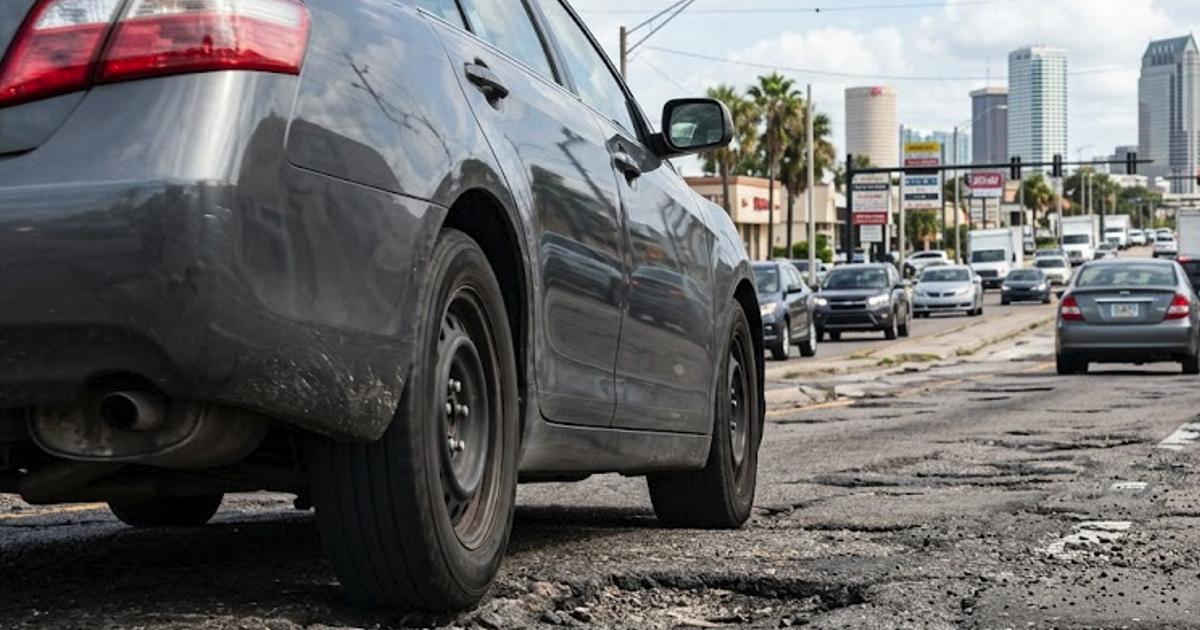

Tampa has changed rapidly over the past decade. With growing neighborhoods, expanding commercial districts, and increasing traffic congestion, daily driving conditions are very different than they were just a few years ago. While most drivers notice the extra traffic, fewer realize how much this urban growth is quietly increasing wear and tear on their vehicles.
At Lou's Total Car Care, we see firsthand how modern driving conditions in Tampa are placing new and often unexpected demands on everyday vehicles.
More Traffic Means More Mechanical Stress
As Tampa continues to expand, road congestion has become one of the biggest contributors to accelerated vehicle wear. Stop-and-go driving forces constant engagement of multiple systems that would otherwise operate more smoothly on open roads.
This includes:
- Increased brake system usage from frequent stopping
- Higher transmission load from repeated shifting
- More engine strain from constant acceleration cycles
- Increased fuel consumption in low-speed conditions
- Faster overall wear on moving components
Even short daily commutes can add up to significant mechanical stress over time.
Construction Zones Add Another Layer of Strain
Ongoing development across Tampa means drivers are constantly navigating construction zones, detours, and uneven road surfaces. These conditions may seem temporary, but they have lasting effects on vehicle health.
Common impacts include:
- Suspension wear from rough or uneven pavement
- Tire damage from debris and sharp materials
- Alignment issues caused by repeated road impact
- Increased vibration affecting steering components
- Greater undercarriage exposure to dirt and debris
These stresses often build gradually and go unnoticed until performance begins to decline.
Short Trips Between Dense Destinations Increase Wear
As Tampa becomes more densely developed, many drivers are making shorter, more frequent trips between nearby locations. While convenient, this driving pattern is harder on vehicles than longer, steady trips.
Short-trip driving can lead to:
- Incomplete engine warm-up cycles
- Moisture buildup in exhaust systems
- Reduced battery charging efficiency
- Faster oil degradation
- Increased engine carbon buildup
Over time, these effects can shorten the lifespan of key vehicle components.
Heat and Traffic: A Double Strain on Key Systems
Tampa’s climate already places stress on vehicles, but when combined with heavy traffic, that strain increases significantly. Engines, cooling systems, and air conditioning units all work harder in these conditions.
Key concerns include:
- Engine overheating risk in stop-and-go traffic
- Increased AC system demand during long idle periods
- Accelerated fluid breakdown in high heat
- Greater battery load during repeated stops and starts
- Reduced efficiency in cooling system performance
These conditions make preventative maintenance even more important for Tampa drivers.
Staying Ahead of Urban Wear with Preventative Care
While drivers can’t control city growth or traffic patterns, they can take steps to reduce long-term vehicle damage through consistent maintenance and inspections.
Smart habits include:
- Regular brake and tire inspections
- Monitoring fluid levels more frequently in hot weather
- Addressing small vibrations or noises early
- Keeping up with scheduled maintenance intervals
- Having cooling and AC systems checked seasonally
These small actions help offset the increased strain caused by Tampa’s evolving driving environment.
Final Thought
Tampa’s growth brings opportunity, convenience, and energy—but it also brings new challenges for everyday drivers. Understanding how urban conditions affect your vehicle is the first step toward preventing unnecessary repairs and extending its lifespan.
At Lou’s Total Car Care, we help Tampa drivers stay ahead of these challenges with proactive service and honest inspections designed to keep vehicles running strong in a rapidly changing city.