
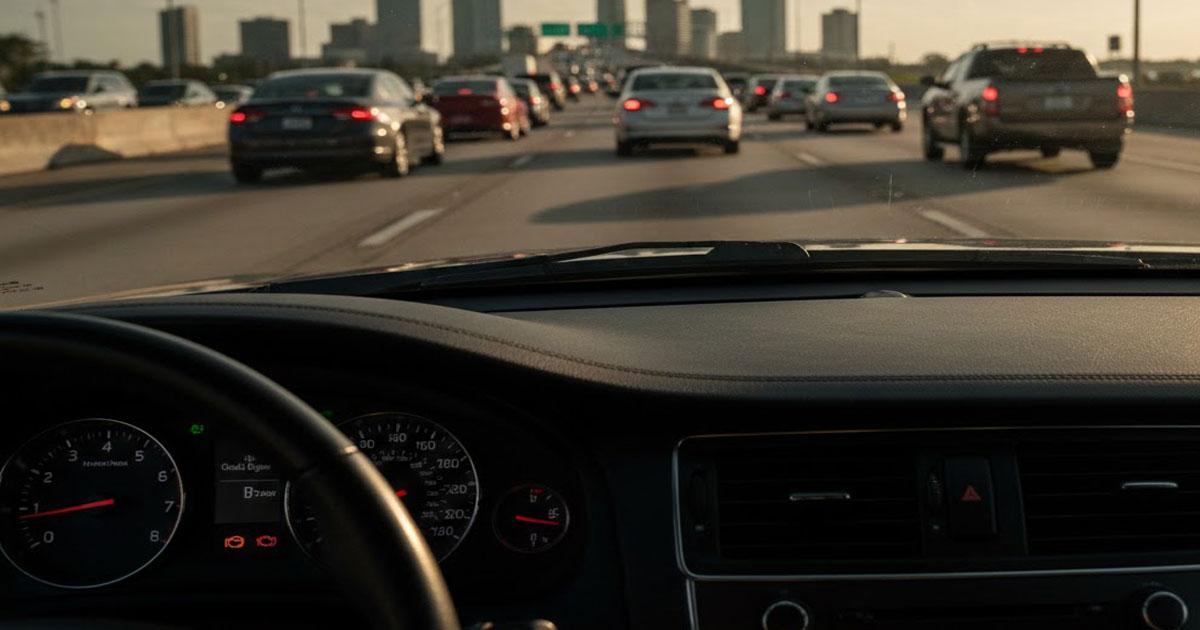

Tampa drivers face a unique combination of challenging conditions that accelerate vehicle wear beyond what manufacturers' "normal" maintenance schedules anticipate: daily crawls through I-275 and I-4 traffic where engines idle more than they cruise, the constant start-stop punishment of Dale Mabry and Hillsborough Avenue congestion, Florida's year-round heat that never gives cooling systems a break, and the humidity and salt air that accelerate corrosion on every metal component under your hood. These aren't the gentle highway miles and moderate temperatures that automakers assume when printing those "every 7,500 miles" service intervals in your owner's manual—they're severe service conditions that demand more frequent attention, more proactive inspection, and more strategic maintenance planning. At Lou's Total Car Care in Tampa, we've built our reputation on understanding that your daily reality on Tampa's roads requires a maintenance approach calibrated to actual conditions, not idealized assumptions, and helping you prevent the expensive breakdowns that always seem to happen at the worst possible moments.
Understanding "Severe Service" Conditions in Tampa
Most drivers glance at their owner's manual maintenance schedule and assume they fall under "normal" driving conditions, not realizing that Tampa's typical daily commute actually qualifies as "severe service" by manufacturer definitions. Severe service includes frequent short trips under 10 miles where engines never fully warm up—exactly what happens when you're commuting from Carrollwood to downtown or running errands around Westchase. It includes extensive idling and stop-and-go traffic, which perfectly describes rush hour on the Veterans Expressway or sitting through the endless lights on Fletcher Avenue. Operating in extreme temperatures—and yes, Tampa's year-round heat and humidity qualify as extreme—accelerates fluid degradation and stresses cooling systems. Driving in dusty or sandy conditions affects vehicles throughout the Tampa Bay area, particularly during dry season when particulates become airborne. Operating near saltwater environments impacts every vehicle in Tampa, not just those directly on the coast, as salt spray travels miles inland on prevailing winds. These severe service conditions mean manufacturers' recommended maintenance intervals should often be cut by 30-50%—that 7,500-mile oil change becomes 5,000 miles, that 60,000-mile transmission service becomes 40,000 miles. Ignoring this reality and sticking rigidly to "normal" service intervals is exactly how vehicles that should last 200,000 miles start having major problems at 100,000.
The True Cost of Deferred Maintenance in Tampa's Climate
Tampa's combination of heat, humidity, and traffic creates a perfect storm where deferred maintenance escalates from minor inconvenience to major catastrophe faster than in moderate climates. Engine oil breaks down more quickly in sustained heat, losing its protective properties and allowing accelerated wear that accumulates invisibly until sudden catastrophic failure occurs. Cooling systems work harder year-round with no winter break, meaning hoses, water pumps, and radiators wear faster and fail more suddenly when pushed beyond their limits. Brake systems stressed by constant stop-and-go traffic in our flat terrain develop problems that might take years to appear elsewhere but manifest in months here. Air conditioning systems that run nearly year-round experience compressor wear, refrigerant loss, and seal degradation at rates that make "optional" A/C service anything but optional in Florida. Battery life in Tampa averages 3-4 years versus 5-6 years in northern climates, meaning that "I'll replace it next year" thinking often results in being stranded in a Publix parking lot during a thunderstorm. The financial impact of these deferred maintenance decisions is stark—a $150 cooling system service that gets postponed becomes a $2,500 engine replacement after overheating causes head gasket failure, a $100 transmission fluid service that gets skipped becomes a $4,000 transmission rebuild when degraded fluid destroys internal components. The pattern repeats across every system in your vehicle, and Tampa's conditions accelerate these consequences relentlessly.
Oil Changes: The Foundation of Vehicle Longevity
Oil changes represent the single most important maintenance service for extending vehicle life, yet they're also the most commonly delayed or skipped by Tampa drivers trying to save money. Modern synthetic oils do last longer than conventional oils, but Tampa's heat still degrades them faster than in moderate climates—that 10,000-mile synthetic oil change interval assumes normal conditions that don't exist here. Stop-and-go traffic means your engine spends more time idling or in low-speed operation where oil doesn't circulate as efficiently and combustion byproducts accumulate faster in the oil. Short trips where engines never fully warm up allow moisture and fuel contamination to build up in oil, creating acidic sludge that conventional drain intervals may not catch before damage occurs. Using the correct oil viscosity and specification for Tampa's climate matters tremendously—5W-20 oil that works fine in Minnesota might be too thin for sustained Florida heat. Oil filter quality impacts how effectively contaminants are removed—that $3 budget filter versus a $12 premium filter might seem like unnecessary expense until you understand the filtration efficiency differences. During oil changes, technicians can spot developing problems—leaks, unusual wear patterns, contaminated oil indicating internal issues—that catch problems before they become catastrophic. The math is simple: spending $50-80 every 5,000 miles for quality oil changes prevents spending $5,000-8,000 for engine replacement when neglect catches up with you.
Cooling System Maintenance for Year-Round Heat
While we covered cooling systems extensively for Fort Myers, Tampa's specific traffic patterns create unique challenges worth addressing. The constant idling in Tampa traffic eliminates the natural cooling airflow provides, forcing your radiator fan to work constantly and putting tremendous strain on cooling system components. The Courtney Campbell Causeway, Gandy Bridge, and Bayside Bridge create long stretches without shade where radiant heat from pavement adds to engine heat load. Downtown Tampa's concrete canyon effect and dark asphalt parking structures create heat islands where ambient temperatures exceed actual weather readings by 10-15 degrees. Stadium traffic after Lightning or Bucs games creates parking lot crawls where vehicles overheat if cooling systems aren't performing optimally. The combination of heat, humidity, and salt air unique to Tampa Bay accelerates radiator corrosion, hose deterioration, and water pump seal failure faster than inland locations. Coolant service every 30,000-50,000 miles isn't optional maintenance in Tampa—it's essential prevention against the overheating disasters that leave you stranded on the Crosstown Expressway in 95-degree heat. At Lou's Total Car Care Tampa, we pressure test cooling systems, inspect hoses and belts, verify proper coolant mixture and condition, and identify developing problems before they strand you during your commute.
Transmission Service: Protection Against Tampa Traffic Punishment
Automatic transmissions take tremendous abuse in Tampa's stop-and-go traffic, making transmission fluid service critical for avoiding the $4,000-6,000 transmission replacement that results from neglect. Constant shifting between gears in traffic generates heat that breaks down transmission fluid faster than highway driving—that fluid that should last 60,000 miles might need changing at 40,000 in severe service conditions. Degraded transmission fluid loses its friction-modifying properties, causing rough shifts, slipping, and accelerated wear on clutch packs and bands. Contaminated fluid containing metal particles from normal wear becomes abrasive, accelerating damage throughout the transmission. Modern transmissions with 6, 8, or 10 speeds generate more heat and stress than older 4-speed units, making fluid service even more critical. CVT (continuously variable) transmissions used in many modern vehicles are particularly sensitive to fluid condition—skipping service often voids warranties and leads to expensive failures. Transmission service isn't just draining and filling—proper service includes dropping the pan to inspect for abnormal wear, replacing the filter, cleaning magnets, and refilling with the correct specification fluid. The cost difference between preventive transmission service ($150-300) and transmission replacement ($4,000-6,000) makes this one of the highest-return maintenance investments you can make, particularly for vehicles facing Tampa's daily traffic challenges.
Brake System Maintenance for Constant Stop-and-Go
Tampa's flat terrain might seem easy on brakes compared to mountain driving, but the constant stopping in traffic actually creates more total brake applications than occasional hard stops on hills. Frequent gentle braking generates heat that gradually degrades brake fluid, reducing its boiling point and effectiveness when you actually need emergency stopping power. Brake pads wear gradually—so gradually that drivers often don't notice degrading performance until metal-on-metal contact damages rotors that could have been saved with timely pad replacement. Moisture contamination in brake fluid from Tampa's humidity corrodes brake lines, calipers, and master cylinder components from the inside, creating leaks and failures that can be catastrophic. Seized caliper pins and slides from corrosion cause uneven pad wear and reduced braking efficiency that creeps up so slowly you don't notice until you fail to stop in time. Brake fluid should be flushed every 2-3 years regardless of mileage—it absorbs moisture from humidity even sitting in the reservoir, and Tampa's moisture accelerates this contamination. Brake inspections should include measuring pad thickness, checking rotor condition, inspecting lines and hoses for damage, testing fluid condition, and lubricating caliper hardware. The few hundred dollars spent on proactive brake maintenance prevents the thousands in collision damage when degraded brakes fail to stop you in time, not to mention the safety implications for you and your family.
Air Conditioning: Not Optional in Tampa
In northern climates, A/C is a comfort feature; in Tampa, it's essential for safety and vehicle longevity, making A/C maintenance a priority rather than afterthought. Your A/C system runs nearly year-round in Tampa, accumulating operating hours that would take years to achieve elsewhere, accelerating wear on compressors, seals, and refrigerant. Refrigerant slowly leaks from even perfectly functioning systems—what's imperceptible loss in seasonal climates becomes noticeable performance degradation in year-round operation. Low refrigerant forces your compressor to work harder, generating excessive heat that damages internal components and leads to catastrophic failure. Moisture in the A/C system from humidity or improper service causes corrosion and creates acids that attack components from inside. The evaporator core, buried deep in your dashboard, accumulates mold and bacteria in Tampa's humidity, creating health concerns and foul odors. Cabin air filters clog faster with pollen and particulates, restricting airflow and forcing the blower motor to work harder until it fails prematurely. Regular A/C service includes checking refrigerant levels, inspecting for leaks, testing pressure and temperature, checking compressor operation, replacing cabin filters, and treating evaporator cores for microbial growth. Don't wait until your A/C fails on the hottest day of summer—proactive service keeps you comfortable and prevents the $1,500-2,500 compressor replacement that results from running low refrigerant too long.
Battery Life in Florida's Heat
Car batteries in Tampa last half as long as in moderate climates, making battery testing and replacement a more frequent concern than most drivers realize. Heat accelerates the chemical reactions inside batteries, simultaneously increasing output and accelerating degradation—your battery works better initially but dies younger. A battery that might last 5-6 years in Michigan will typically last 3-4 years in Tampa, making that "I'll get another year out of it" thinking risky. Corroded battery terminals from salt air and humidity create poor connections that stress your charging system and reduce starting reliability. Modern vehicles with extensive electronics drain batteries faster when parked, and Tampa's heat accelerates this self-discharge. The first sign of battery weakness is often slower cranking on hot afternoons when heat has reduced capacity—by the time you notice, the battery is near failure. Jump-starting weakened batteries accelerates their death and can damage vehicle electronics—better to replace the battery before it fails than deal with emergency jump-starts and potential electronic damage. Battery testing takes minutes and costs nothing at Lou's Total Car Care Tampa—we test under load to verify actual capacity, not just surface charge, and provide honest assessment of remaining life. Replacing batteries proactively, before they fail, eliminates the risk of being stranded in Tampa traffic or coming out of a restaurant to find your vehicle won't start.
Tire Maintenance in Tampa's Heat and Rain
Tampa's combination of heat, sudden thunderstorms, and varied road surfaces creates unique tire wear patterns and safety concerns that demand regular attention. Heat causes tires to run hotter, accelerating tread wear and increasing blowout risk, particularly when tires are underinflated—checking pressure monthly is essential, not optional. Tampa's afternoon thunderstorms create sudden downpours on hot pavement, generating hydroplaning conditions that worn tires can't handle safely. Tread depth below 4/32" is considered unsafe for rain—waiting until the legal 2/32" minimum in Tampa is asking for an accident during a summer storm. Tire rotation every 5,000-7,000 miles ensures even wear and maximizes tread life, particularly important given the cost of quality tires. Wheel alignment issues from hitting potholes on Dale Mabry or curbs in tight parking garages cause rapid, uneven tire wear that costs hundreds in premature replacement. Properly inflated tires improve fuel economy by 3-5%, providing ongoing savings that offset the cost of regular pressure checks. Tire pressure monitoring systems (TPMS) warn of significant pressure loss but don't replace manual monthly checks with accurate gauges. During tire service, technicians should inspect for sidewall damage, check for nails or punctures, verify valve stems aren't cracking, and ensure wheels aren't bent or damaged. The investment in proper tire maintenance pays dividends in safety, fuel economy, and tire longevity—and potentially prevents the accidents that occur when worn tires fail during Tampa's notorious afternoon downpours.
The Technology Factor: Modern Vehicles Need Modern Service
Modern vehicles have become rolling computers with systems that require different maintenance approaches than older vehicles many Tampa drivers learned to maintain decades ago. Electronic systems don't "wear out" like mechanical parts but they do fail, and diagnostic testing identifies issues before they leave you stranded. Computer-controlled engines require proper diagnostic tools to interpret check engine lights—Googling the code tells you the symptom, not the cause, and guessing at fixes wastes money. Manufacturer-specific scan tools access systems generic code readers miss, providing crucial information about developing problems. Software updates for engine computers, transmissions, and safety systems address bugs and improve performance—your vehicle needs updates just like your smartphone. Sensor failures create drivability issues and excessive fuel consumption long before triggering warning lights—proactive testing catches these problems early. Modern safety systems—backup cameras, parking sensors, blind spot monitors—require calibration after windshield replacement or collision repair. Electric and hybrid vehicles add complexity requiring specialized training and equipment that general repair shops may not have. At Lou's Total Car Care Tampa, we invest in manufacturer-level diagnostic equipment, ongoing technician training, and the expertise to properly maintain modern vehicles, not just change oil and rotate tires. Your vehicle's sophistication demands service providers who keep pace with technology rather than relying on techniques from the 1990s.
Building Your Personal Maintenance Schedule
Rather than blindly following generic service intervals, Tampa drivers benefit from customized maintenance schedules based on actual driving conditions and vehicle condition. Track your typical driving patterns—if you're doing mostly short trips in Tampa traffic, you're in severe service category requiring more frequent service. Monitor fluid condition visually—oil that's black and gritty needs changing regardless of mileage since last service. Pay attention to performance changes—harder starting, rough idle, sluggish acceleration, unusual noises—these indicate developing problems requiring attention. Keep records of all maintenance performed, noting mileage and dates, allowing you to identify patterns and plan upcoming services. Schedule seasonal services before Tampa's summer heat or heavy rain season rather than waiting until problems develop. Consider your vehicle's age and mileage—higher-mileage vehicles need more frequent attention as components wear and clearances increase. Budget for maintenance proactively rather than scrambling when unexpected repairs arrive—setting aside $100-150 monthly handles routine maintenance and builds reserve for larger services. Work with a trusted service provider like Lou's Total Car Care Tampa who knows your vehicle's history and can provide personalized recommendations rather than one-size-fits-all corporate service schedules. This proactive, customized approach prevents problems, extends vehicle life, and costs far less over ownership than reactive crisis management when things break.
The Lou's Total Car Care Tampa Difference
At Lou's Total Car Care Tampa, we're not just another quick-lube chain or dealership service department—we're experienced automotive professionals who understand Tampa's unique challenges and provide honest, straightforward service without upsells or unnecessary repairs. Our technicians live and drive in Tampa, facing the same traffic, heat, and conditions your vehicle endures, giving us real-world understanding of what maintenance actually matters here. We provide transparent estimates with detailed explanations of recommended services, why they're needed, and what happens if you defer them—you make informed decisions, never pressured decisions. We use quality parts and fluids meeting or exceeding manufacturer specifications, not budget alternatives that save pennies today but cost dollars tomorrow. We stand behind our work with comprehensive warranties because we do the job right the first time, every time. We maintain your vehicle's service history and provide proactive reminders about upcoming maintenance based on your actual usage, not generic mileage intervals. We treat your vehicle like we'd treat our own—with care, expertise, and honesty—because we understand you're not just a transaction, you're a neighbor relying on us to keep you safe on Tampa's roads. Whether you need routine maintenance, complex diagnosis, or major repairs, Lou's Total Car Care Tampa provides the expertise and integrity Tampa drivers deserve. Stop by our Tampa location, meet our team, and discover why more Tampa drivers are choosing the straightforward, reliable automotive care that's helped us build our reputation across Florida. Your vehicle deserves better than one-size-fits-all corporate service—it deserves care calibrated to Tampa's reality, delivered by professionals who genuinely care about keeping you safely on the road.