
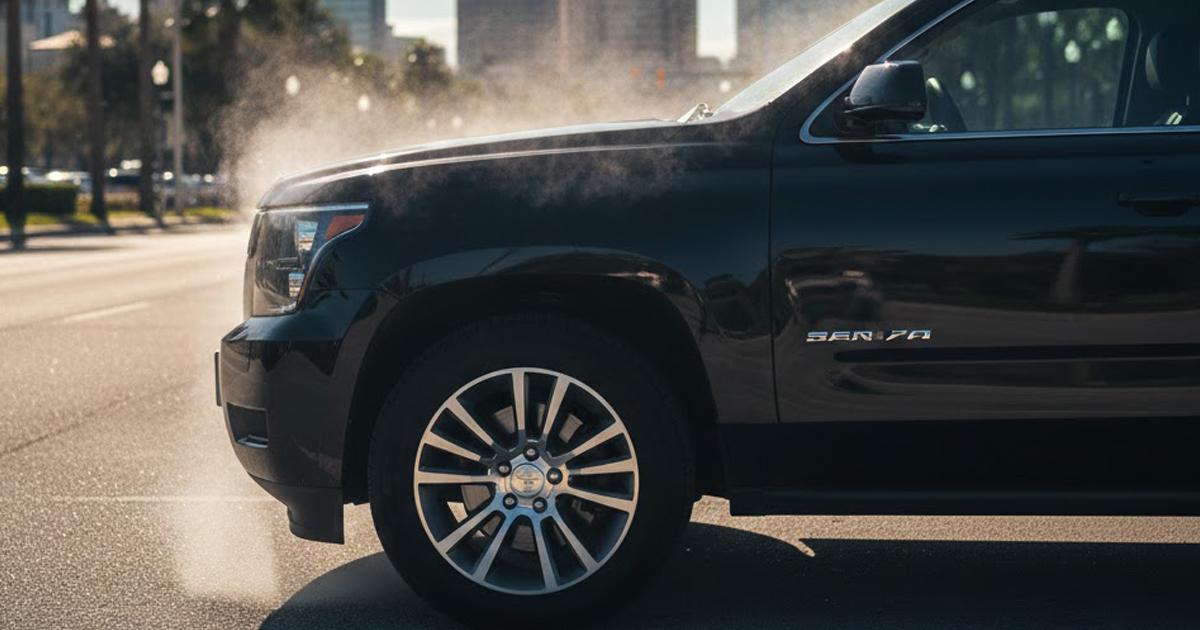

Living in Tampa means sunshine, coastal breezes, and long stretches of warm weather nearly year-round. While most drivers think about hurricanes or heavy rain when it comes to vehicle damage, there’s another powerful force at work every single day: heat.
High temperatures in Tampa don’t just make your A/C work harder — they quietly affect multiple systems in your vehicle. At Lou’s Total Car Care in Tampa, we regularly help drivers address issues that began with prolonged heat exposure.
Here’s how Tampa’s extreme temperatures impact your vehicle — and what you can do to stay ahead of problems.
Engine Stress in High Temperatures
Your engine already operates at high internal temperatures. Add Tampa’s summer heat and long commutes, and the strain increases significantly.
Excessive heat can lead to:
-
Faster breakdown of engine oil
-
Increased pressure on hoses and belts
-
Greater demand on the cooling system
-
Higher risk of overheating in heavy traffic
Even if your temperature gauge never spikes into the red, gradual heat stress can shorten the lifespan of key components.
Routine inspections and fluid checks help ensure your cooling system is working efficiently before small weaknesses turn into major repairs.
Battery Life Drops in the Heat
Many drivers associate battery problems with cold weather. In reality, Florida heat is often more damaging.
Extreme temperatures can:
-
Accelerate internal corrosion
-
Cause battery fluid to evaporate
-
Shorten overall battery lifespan
Tampa drivers frequently experience sudden battery failure with little warning — especially after extended exposure to heat combined with short trips.
Regular battery testing can help you avoid being stranded in a parking lot on a 95-degree afternoon.
Tire Pressure Fluctuations
Heat causes air inside your tires to expand. That means tire pressure can increase significantly during Tampa’s hotter months.
Improperly inflated tires can result in:
-
Uneven tread wear
-
Reduced fuel efficiency
-
Increased risk of blowouts
-
Less predictable handling
Monitoring tire pressure and scheduling routine inspections keeps your vehicle stable and efficient, even during peak summer heat.
Fluids Break Down Faster
Motor oil, transmission fluid, brake fluid, and coolant all play essential roles in protecting your vehicle. But heat accelerates fluid degradation.
As fluids break down, they lose their ability to:
-
Lubricate moving parts
-
Prevent corrosion
-
Maintain proper system pressure
-
Absorb and dissipate heat
This is why Tampa drivers often benefit from consistent fluid maintenance — especially if they frequently drive in stop-and-go traffic or sit in long lines with the engine running.
Interior and Exterior Wear
Heat doesn’t only affect what’s under the hood. Over time, intense sun exposure can:
-
Fade paint and damage clear coat
-
Dry out rubber seals and weather stripping
-
Crack dashboards and interior trim
While cosmetic issues may seem minor at first, deteriorated seals can eventually lead to leaks and additional repairs.
Why Proactive Maintenance Matters in Tampa
Tampa’s climate creates a steady, cumulative impact on vehicles. It’s rarely one dramatic event — it’s months of consistent heat exposure that gradually wear down systems.
Routine inspections at Lou’s Total Car Care in Tampa allow us to:
-
Catch cooling system weaknesses early
-
Test and evaluate battery health
-
Monitor tire condition and alignment
-
Ensure fluids are clean and properly filled
-
Identify heat-related wear before it becomes costly
Stay Cool, Stay Confident
Your vehicle works hard in Tampa’s climate — often harder than you realize. Staying proactive with maintenance isn’t just about performance; it’s about reliability, safety, and avoiding unexpected breakdowns.
If it’s been a while since your last inspection, now is the perfect time to make sure your vehicle is ready for Tampa’s heat.
At Lou’s Total Car Care in Tampa, we’re here to keep you running smoothly — no matter how high the temperature climbs.