
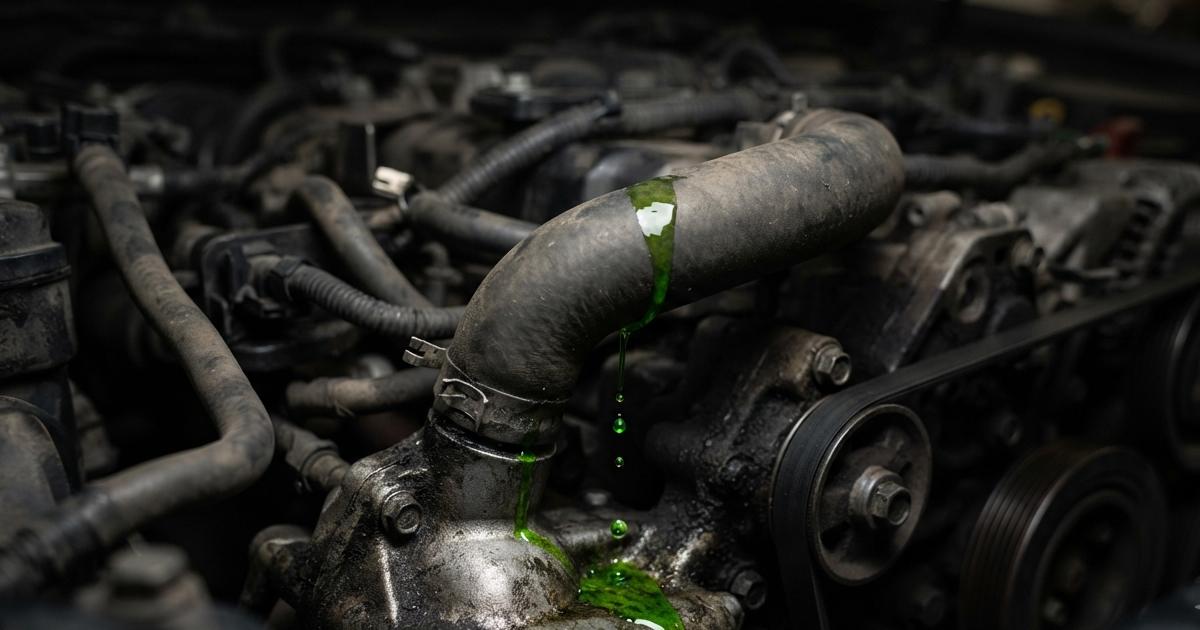

Your vehicle's cooling system is one of those things most drivers never think about — until something goes wrong. And in Tampa, where summer temperatures regularly push well past 90 degrees and humidity sits heavy in the air, your cooling system is working harder than almost anywhere else in the country. A coolant leak might start as something small and easy to overlook, but left unchecked, it can spiral into catastrophic engine damage that costs thousands of dollars to repair. The good news is that coolant leaks almost always give you warning signs before things get truly serious. Knowing what to look for can save you from an overheated engine on the side of I-275 during rush hour.
What Is Coolant and Why Does It Matter?
Coolant, sometimes called antifreeze, is the bright-colored fluid that circulates through your engine to regulate its temperature. It absorbs heat from the engine and carries it to the radiator, where it's cooled down and cycled back through the system. Without coolant doing its job, your engine would overheat within minutes of running.
Most modern vehicles use a 50/50 mixture of antifreeze and distilled water, and that mixture is carefully engineered to handle both extreme heat and extreme cold. Here in Florida, the cold side barely matters, but the heat tolerance is absolutely critical. Coolant also contains corrosion inhibitors that protect your engine's metal components from rusting and degrading from the inside out — something that's especially important given Tampa's humid, salt-air environment.
The Different Types of Coolant
Not all coolant is the same, and using the wrong type for your vehicle can actually cause damage to seals and gaskets. There are traditional green coolants, extended-life orange and red formulas, and OAT and HOAT varieties designed for specific makes and models. When you bring your vehicle to Lou's Total Car Care, our technicians always use the right coolant for your specific engine — not just whatever happens to be on the shelf.
Warning Signs You Have a Coolant Leak
Coolant leaks don't always announce themselves with dramatic consequences right away. More often, they start subtly, and the signs build gradually over time. Here's what Tampa drivers should be watching for:
- Puddles under your vehicle: If you notice a colored puddle — often bright green, orange, pink, or red — beneath your car after it's been parked, that's a strong indicator of a coolant leak. Unlike oil, which tends to be dark and greasy, coolant is thinner and often has a sweet smell.
- A sweet smell coming from the engine bay: Coolant has a distinctly sweet, almost syrupy odor. If you notice that smell while driving or after parking, especially if it's coming through your vents, take it seriously and get your vehicle inspected promptly.
- Your temperature gauge climbing higher than usual: One of the first functional signs of a coolant leak is an engine that runs hotter than normal. If your temperature gauge is creeping toward the red zone or higher than it typically sits, pull over safely and call for help. Do not continue driving an overheating engine.
- White smoke from the exhaust: If coolant is entering the combustion chamber — often due to a blown head gasket — it burns off as white or blue-tinted smoke from your exhaust pipe. This is a serious sign and requires immediate attention.
- Low coolant warning light: Many modern vehicles have a dedicated coolant level sensor. If that warning light illuminates on your dashboard, don't ignore it. Topping off the coolant yourself without diagnosing the leak is only a temporary fix that masks the underlying problem.
- Visible residue or staining around hoses and connections: Look under your hood at your coolant hoses, radiator, and reservoir. White or crusty deposits around fittings, hose clamps, or the reservoir cap are signs that coolant has been seeping and evaporating, leaving mineral deposits behind.
- Heater blowing cold air: This one surprises a lot of drivers, but your cabin heater actually relies on hot coolant flowing through a small radiator called the heater core. If your coolant level is low due to a leak, your heater may blow cold air even when set to maximum heat.
Common Causes of Coolant Leaks in Florida Vehicles
Understanding where leaks come from helps you stay ahead of them. In Tampa's climate, certain causes are more common than others, thanks to the combination of heat, humidity, and the kind of stop-and-go driving that puts extra thermal stress on cooling system components.
Deteriorated Hoses
Rubber coolant hoses expand and contract with every temperature cycle. Over time, they become brittle, crack, or develop pinhole leaks. In Florida's heat, this process accelerates. Hoses that look fine from the outside can be mushy, brittle, or collapsing internally. A qualified technician will squeeze and inspect your hoses as part of a thorough inspection to catch deterioration before it leads to a failure.
Faulty Radiator
The radiator is the heart of your cooling system, and it takes a beating every single day. Road debris, corrosion from the inside out, and physical damage from minor fender impacts can all cause radiator leaks. A small crack or pinhole in the radiator can slowly drain your coolant level over weeks or months before the problem becomes obvious.
Loose or Damaged Clamps and Fittings
Hose clamps hold your coolant hoses securely to their connection points. Over time, vibration and temperature cycling can loosen these clamps, allowing coolant to seep out around the connection. This type of leak is often easy to fix once it's identified — but it still requires a trained eye to catch early.
Blown Head Gasket
A blown head gasket is one of the more serious coolant leak scenarios. The head gasket seals the junction between your engine block and the cylinder head, and when it fails, coolant can mix with engine oil or enter the combustion chamber. Signs include white exhaust smoke, milky-looking oil on the dipstick, and a rapidly overheating engine. This is a repair that should never be delayed, as continued driving can warp the cylinder head and cause irreversible engine damage.
Cracked Reservoir or Overflow Tank
The plastic coolant reservoir is subject to the same heat stress as everything else under your hood, and plastic becomes brittle over time. A crack in the reservoir allows coolant to escape gradually, and because these tanks are often tucked away and not immediately visible, the leak can go unnoticed for a while.
What to Do If You Suspect a Coolant Leak
If you're noticing any of the warning signs listed above, the smartest move is to have your vehicle inspected by a professional as soon as possible. At Lou's Total Car Care in Tampa, our technicians will perform a thorough cooling system inspection to locate the source of the leak, assess the condition of all cooling system components, and recommend the right repair — without unnecessary upsells or vague explanations.
We believe in honest communication and fair pricing, which is why Tampa drivers have trusted us for years. Whether it's a simple hose replacement, a radiator repair, or something more involved like a head gasket job, we handle it all in-house with the kind of care and craftsmanship that a family-owned shop takes pride in.
Don't wait until your engine is overheating on the side of the road to address a cooling system problem. Stop by or give us a call at (813) 885-5687 and let us take a look. We're located at 8317 Rustic Dr A, Tampa, FL 33634, and we're always ready to help Tampa drivers stay cool — literally.