
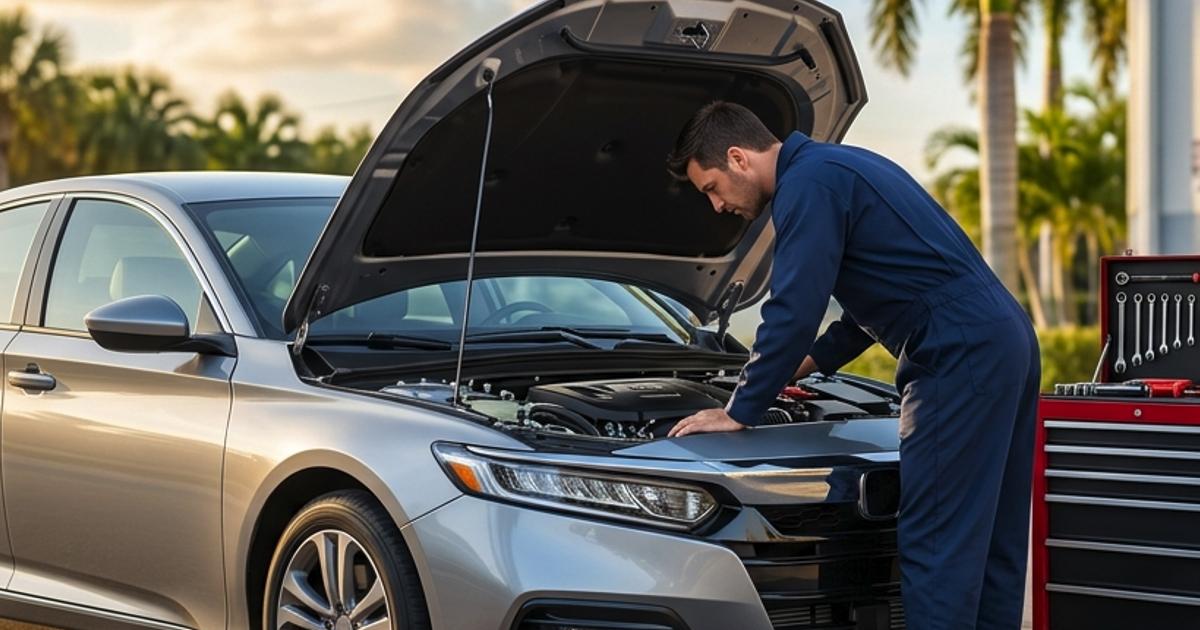

There is a question every car owner eventually asks: how long can I realistically keep this vehicle running? The answer depends far less on luck and far more on how consistently you take care of it. In a city like Tampa, where the heat is relentless, the traffic is demanding, and the humidity never truly lets up, proper maintenance is not optional — it is the difference between a vehicle that lasts 100,000 miles and one that reaches 200,000 and beyond.
At Lou's Total Car Care, we have watched families keep their vehicles for decades simply because they stayed on top of routine service. We have also seen late-model cars come in completely worn out before they hit 80,000 miles because maintenance was neglected. The good news is that extending the life of your vehicle is not complicated. It just requires consistency, attention, and a shop you can trust.
Why Vehicle Longevity Starts With the Basics
Many drivers assume that keeping a car alive for a long time requires expensive parts or complicated service. In reality, the most powerful thing you can do for your vehicle is simply stay current on the fundamentals. The basics are called basics for a reason — they are the foundation that everything else depends on.
Oil Changes Done on Schedule
Engine oil is your vehicle's lifeblood. It lubricates moving parts, reduces friction, and helps regulate engine temperature. When oil breaks down or runs low, metal grinds against metal, and that damage accumulates quietly until something fails catastrophically. In Tampa's heat, oil degrades faster than in cooler climates, which makes sticking to your manufacturer's recommended change intervals absolutely critical. Whether your vehicle calls for conventional or full synthetic oil, do not push past those intervals. A timely oil change is one of the cheapest investments you can make in your engine's future.
Cooling System Maintenance
Florida summers put enormous strain on cooling systems. Your radiator, coolant, water pump, and thermostat work together to keep your engine from overheating. When coolant becomes depleted or contaminated, the entire system becomes less effective. Flushing and replacing coolant at recommended intervals, checking hoses for cracks or soft spots, and addressing small leaks before they grow are all essential practices that protect your engine from the kind of heat damage that leads to major repair bills.
Air Filter and Fuel System Care
A clogged air filter forces your engine to work harder, reducing fuel efficiency and increasing wear over time. Replacing it at recommended intervals is a small but meaningful step. Similarly, keeping your fuel system clean — including fuel injectors and the fuel filter — ensures your engine receives the clean, properly atomized fuel it needs to run efficiently year after year.
The Maintenance Habits That Separate High-Mileage Vehicles From the Rest
Walk into any shop and ask the technicians which customers consistently get the most miles out of their vehicles, and they will describe the same type of person — someone who does not wait for problems to appear before bringing the car in. High-mileage success stories are almost always the result of proactive habits rather than reactive fixes.
Regular Transmission Service
Transmission fluid breaks down over time and loses its ability to properly lubricate and cool transmission components. Neglected transmission fluid leads to shifting problems, overheating, and eventually, complete transmission failure — one of the most expensive repairs a vehicle owner can face. Having your transmission fluid checked and changed according to your manufacturer's schedule keeps this complex system running smoothly for years longer than it would otherwise.
Brake System Inspections
Brakes do not just protect you on the road — they protect other components when they are working correctly. Worn brake pads that go unchecked can damage rotors, which turns a simple pad replacement into a much more expensive job. Regular brake inspections catch wear early and keep the entire braking system functioning as it should.
Tire Maintenance
Tires affect everything from fuel efficiency to suspension wear to safety. Keeping them properly inflated, rotating them on schedule, and having your alignment checked regularly prevents uneven wear patterns that shorten tire life and place added stress on your steering and suspension components. In Tampa, where roads can be rough and the heat itself affects tire pressure, staying on top of tire care is especially important.
Staying Current on Belts and Hoses
Timing belts, serpentine belts, and rubber hoses have a finite lifespan. When they fail, the consequences can be severe. A broken timing belt can destroy an engine entirely. A blown radiator hose can leave you stranded and cause rapid overheating. Replacing these components at or before their recommended intervals is one of the most cost-effective things you can do to prevent catastrophic failures.
The Role of a Trusted Local Shop in Vehicle Longevity
Consistency matters as much as the service itself. When you bring your vehicle to the same shop regularly, the technicians build a history with your car. They know what has been replaced, what is showing early wear, and what to watch for next. That kind of institutional knowledge is invaluable — and it is something you simply cannot get from a chain shop that rotates staff constantly or sees your car for the first time every visit.
At Lou's Total Car Care in Tampa, we treat every vehicle like it belongs to a neighbor, because often it does. We are a family-owned shop that has built its reputation on honest assessments, fair pricing, and genuinely caring about the outcome for our customers. When we tell you something needs attention, we explain why. When it does not, we tell you that too.
Keeping a Service Record
One of the simplest things you can do to support long-term vehicle health is keep a record of every service performed. This helps you stay organized, ensures nothing slips through the cracks, and adds real value if you ever decide to sell the vehicle. A documented maintenance history tells a buyer that the car was cared for — and it shows in the vehicle's performance and condition.
What a Preventative Maintenance Schedule Should Include
- Oil and filter changes at manufacturer-recommended intervals
- Tire rotation every 5,000 to 7,500 miles
- Wheel alignment check at least once per year
- Brake inspection every 10,000 to 15,000 miles
- Coolant flush per manufacturer specification
- Transmission fluid service as recommended
- Air filter replacement every 15,000 to 30,000 miles depending on conditions
- Spark plug replacement at scheduled intervals
- Timing belt or chain inspection and replacement as needed
- Battery testing, especially before summer and after two to three years of use
- Full vehicle inspection at least once per year
The Bottom Line for Tampa Drivers
Every mile you put on your vehicle in Tampa is a mile driven in conditions that work against it — intense heat, heavy stop-and-go traffic, high humidity, and road conditions that accelerate wear. The vehicles that survive and thrive in this environment are the ones that receive consistent, quality care from people who know what they are doing.
Extending the life of your vehicle is not about spending more money. It is about spending it smarter and sooner, before small issues become expensive failures. A little attention today saves you from a big repair bill tomorrow — and keeps your vehicle reliable for the long road ahead.
If you are ready to get serious about protecting your investment, Lou's Total Car Care is here to help. Stop by at 8317 Rustic Dr A, Tampa, FL 33634, or give us a call at (813) 885-5687 to schedule your next service. We handle every make and model, and we would be proud to help you keep your vehicle on the road for years to come.